The Environmental Impact of Ready Mix Concrete in Pakistan’s Growing Cities
In the rapidly expanding urban landscapes of Pakistan, the construction industry plays a pivotal role in shaping cities and infrastructure. Among the various materials used in modern construction, ready mix concrete has gained significant traction due to its efficiency and convenience. However, with its rising popularity, it is essential to address the environmental implications of using ready mix concrete and explore ways to mitigate its impact.
Understanding Ready Mix Concrete
Ready mix concrete (RMC) is a pre-mixed concrete that is manufactured in a factory or batching plant according to a set recipe and then delivered to the construction site in a ready-to-use state. This process offers several advantages, such as improved quality control, reduced labor costs, and faster construction times. In Pakistan’s growing cities, the use of ready mix concrete has become a common practice in both residential and commercial projects.

Environmental Implications of Ready Mix Concrete
- Carbon Footprint and Greenhouse Gas Emissions
One of the most significant environmental concerns associated with ready mix concrete is its carbon footprint. The production of cement, a key ingredient in concrete, is a major source of greenhouse gas emissions. Cement production involves the calcination of limestone, which releases carbon dioxide (CO2) into the atmosphere. According to the International Energy Agency (IEA), cement production accounts for approximately 7% of global CO2 emissions.
In Pakistan, where infrastructure development is booming, the demand for cement and, consequently, ready mix concrete is increasing. This surge in demand leads to higher emissions from cement plants, contributing to the overall carbon footprint of construction activities.
- Resource Depletion
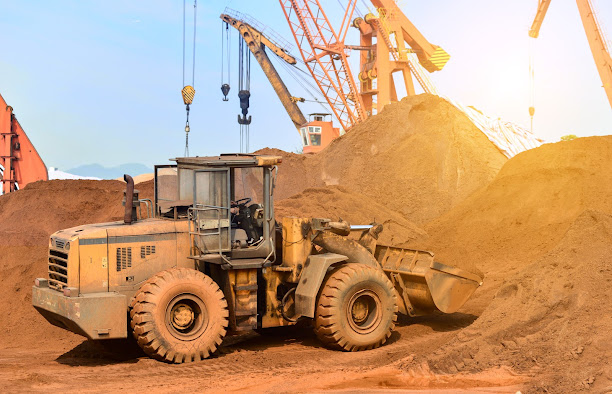
The production of ready mix concrete requires several natural resources, including sand, gravel, and water. The extraction of these materials can lead to environmental degradation. For example, excessive sand mining can result in habitat destruction, loss of biodiversity, and changes in river dynamics. Similarly, gravel extraction can cause erosion and disrupt local ecosystems.
In Pakistan, where urbanization is rapidly expanding, the pressure on natural resources is intensifying. Ensuring a sustainable supply of raw materials for ready mix concrete while minimizing environmental impact is a significant challenge.
- Water Consumption
Water is a crucial component in the production of concrete, and the concrete industry is a major consumer of water. In Pakistan, where water scarcity is a growing concern, the high water usage associated with concrete production can exacerbate existing water shortages. The management of water resources in the construction industry is essential to prevent overexploitation and ensure the availability of water for other critical uses.
- Waste Generation
The production and use of ready mix concrete generate various types of waste, including surplus concrete, packaging materials, and washout from concrete mixers. Surplus concrete, if not properly managed, can end up in landfills, contributing to waste accumulation. Additionally, the disposal of packaging materials and washout water requires careful handling to prevent environmental contamination.
Mitigating the Environmental Impact
To address the environmental challenges associated with ready mix concrete, several strategies and practices can be implemented:
- Adopting Sustainable Practices
The concrete industry can reduce its environmental impact by adopting sustainable practices. This includes using alternative materials such as recycled aggregates, supplementary cementitious materials (SCMs), and industrial by-products like fly ash and slag. These materials can partially replace traditional cement, reducing the overall carbon footprint of concrete production.
- Improving Energy Efficiency
Energy efficiency in cement production can significantly lower greenhouse gas emissions. Implementing energy-efficient technologies and practices in cement plants, such as waste heat recovery systems and improved kiln designs, can help reduce the energy consumption and emissions associated with cement production.
- Water Management and Recycling
Efficient water management practices can minimize water usage in concrete production. This includes recycling washout water from concrete mixers and using water-saving technologies. By reusing water in the production process, the demand for fresh water is reduced, helping to conserve this precious resource.
- Waste Reduction and Recycling
Proper management of surplus concrete and other waste materials is essential to minimize environmental impact. Techniques such as concrete recycling and the use of waste materials as aggregates can reduce the amount of waste sent to landfills. Additionally, implementing recycling programs for packaging materials can help decrease overall waste generation.
- Regulatory and Industry Standards
Establishing and enforcing regulatory standards for environmental practices in the concrete industry can drive improvements in sustainability. Governments and industry bodies can set guidelines for emissions, resource use, and waste management to ensure that construction practices align with environmental protection goals.
- Promoting Green Building Practices
Integrating green building practices into construction projects can further enhance the environmental performance of ready mix concrete. This includes designing energy-efficient buildings, using sustainable construction materials, and implementing eco-friendly construction techniques. Green building certifications, such as LEED (Leadership in Energy and Environmental Design), can provide guidelines and incentives for environmentally responsible construction practices.
The Role of Allied Materials
As a leading supplier of ready mix concrete in Pakistan, Allied Materials is committed to promoting sustainable practices in the construction industry. By offering high-quality ready mix concrete solutions, Allied Materials ensures that construction projects meet the highest standards of performance and environmental responsibility.
Conclusion
The environmental impact of ready mix concrete in Pakistan’s growing cities is a significant concern that requires proactive measures and innovative solutions. By addressing issues such as carbon emissions, resource depletion, water consumption, and waste generation, the construction industry can work towards reducing its environmental footprint. Through sustainable practices, improved technologies, and responsible resource management, the industry can contribute to a greener and more sustainable future for Pakistan’s urban development.


Comments
Post a Comment